The numbers become all the more important because actual tax collections fell short by Rs 1.91 trillion compared to what was projected in 2018-19. Besides, the Budget for FY20 did not give actual figures for 2018-19, but the revised numbers given in the interim Budget.
Kerala, Punjab and Rajasthan are the other three states to pass a resolution opposing the contentious legislation, reports Archis Mohan.
With exporters' claim for over five months still pending, liquidity has been wiped out and the process of finalising new contracts has been held up.

Sources said much has been done to ease the tax burden of the middle classes in the last five years, and that such a measure affects only a limited segment of people when the focus should be to put money in rural areas. Archis Mohan reports.

The Asean secretariat hopes the meet may be able to iron out existing wrinkles raised by India. Since there had been no significant progress on the matter over the past two years on most issues, New Delhi is yet to decide on the invite.

'I suggest a cut in the GST rates and an infusion of Rs 1.2 trillion into the economy in six months.'

Spurring the economy, currently in the throes of a slowdown, remains the prime focus for most ministries, but the government is also looking to make women's welfare and environmental protection key to policymaking in this term.

Measures that quickly boost demand and increase employment are needed to push up growth. Moreover, without announcing new planss, the government should strengthen schemes such as PM KISAN, MNREGA and programmes to build rural roads.
The states that witnessed high CPI-based inflation rates were Lakshadweep, Tripura, Odisha, Uttar Pradesh, Kerala, Madhya Pradesh, Puducherry, Tamil Nadu, Rajasthan, Manipur and Mizoram.
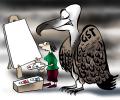
E-invoicing would be implemented on a voluntary basis by those having an annual turnover of above Rs 500 crore from January 1.

In 2009, the UPA government, had announced a slew of measures to boost liquidity in NBFCs. These included a scheme for providing liquidity support to NBFCs having assets size of over Rs 100 crore through a SPV.

To propel demand, one should concentrate on indirect taxes and bring down the goods and services tax (GST) rates to a uniform 12 per cent as the Vijay Kelkar panel had recommended, said Ajit Ranade, chief economist at Aditya Birla Group.

The new restriction will be challenging for businesses, as they will have to do regular follow-ups with their suppliers.

Banks will also consider requests from MSMEs for restructuring their stressed standard assets. So far, only 25 per cent of the around 1 million eligible MSMEs have taken benefit of the RBI's special dispensation.

States are planning to pass resolutions in their legislative assemblies; however, such tactics will be used as the last resort if the Centre continues to stall allocations.

Opposition parties, though resigned to the fact that they lack the numbers to defeat or stall the bill in the two Houses, have decided upon different tactics that they would employ to highlight their reasons for opposing it.

Unsure about having the numbers in the Rajya Sabha, the Congress, the Trinamool Congress and other parties have decided they will create awareness about the "divisive" nature of the proposed legislation, reports Archis Mohan.
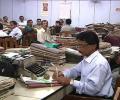
While manufacturing firms cut jobs for the first time in 20 months to sharply reduce costs, services providers continued their hiring spree.

In a resolution passed at its national assembly in Haridwar, the SJM said the Modi government's proposed strategic divestment of PSEs was an "imprudent business decision" and "against national interest".

Though the NITI Aayog did not give its estimates for the required GDP growth at constant prices, economists pegged it at 9 per cent, a feat not seen since the GDP series was revised with 2011-12 as the base year.
 © 2026 Rediff.com - Investor Information - Advertise with us - Disclaimer - Privacy Policy - Sitemap - Feedback - About us - Terms of use - Grievances